
Singapore Undergraduate Admissions Strategic Portals for Indian Students (2027 Entry)
Admissions Advisory
1-on-1 Singapore Strategy
Get your CBSE, ISC, IB, or Cambridge profile benchmarked for NUS, NTU, SMU & SUTD. Calibrate subject prerequisites and Discretionary Admissions (ABA).
Book 1-on-1 Strategy SessionCompetitive Testing
SAT, ACT & AP Prep
Target 1540+ on Digital SAT, 34+ on ACT, and Grade 5 in AP Calculus BC & Physics C to outrank applicant pools.
Explore Test PreparationOfficial Dossier
Download Free PDF Guide
Get the complete Singapore board eligibility matrix, subject prerequisite conversion tables, and MOE Tuition Grant bond blueprint.
1. Executive Overview: Demystifying Singapore Undergraduate Admissions for Indian Students
Singapore has consolidated its position as Asia's undisputed higher education capital and one of the world's most academically distinguished learning ecosystems. Anchored by the National University of Singapore (NUS) and Nanyang Technological University (NTU)—both consistently ranked among the World Top 15 in the QS and Times Higher Education Global Rankings—alongside the internationally acclaimed Singapore Management University (SMU) and the MIT-collaborative Singapore University of Technology and Design (SUTD), Singapore offers Indian high school students a transformative blend of Ivy-League caliber academics, ultra-modern research infrastructure, English-medium pedagogy, and unparalleled career proximity to multinational corporate headquarters in the Asia-Pacific region.
However, successfully navigating Singapore undergraduate admission requirements demands a sophisticated and realistic strategic mindset. Unlike American universities that emphasize holistic narratives and extracurricular essays, or British universities operating under the standardized UCAS tariff, Singapore autonomous universities practice a hyper-competitive, meritocratic admissions paradigm. Academic marks in Class 12 board examinations (CBSE, ISC, State Boards, or IB/Cambridge) serve as the non-negotiable primary filter, while subject-specific prerequisites, standardized testing excellence (JEE Advanced, SAT, ACT, APs), written personal insight statements, and interviews govern competitive selection for capped courses.
For Indian applicants targeting August 2027 entry, understanding the nuanced differences between institutional mandates—such as NUS's strict mathematical benchmarks, NTU's engineering subject filters, SMU's interactive behavioral interviews, and SUTD's design aptitude assessments—is vital. This master guide outlines every parameter of NUS admission requirements for Indian students, NTU eligibility after 12th, and the step-by-step roadmap for Singapore university admission for CBSE students.
2. The Singapore Autonomous University Landscape: NUS, NTU, SMU, and SUTD
Fast-Track Your College & Career Strategy
Get immediate, personalized AI insights tailored to your grade, strengths, and dream universities — 100% free with instant reports.
Know Your Personality Type for Free
Take our 18-question AI psychometric test to uncover your cognitive archetype, hidden learning superpowers, and ideal university courses.
Personalized Career & University EduPath
Build a step-by-step Grade 8–12 admissions blueprint with AI-matched target universities, exam schedules, and extracurricular profiles.
Singapore maintains six autonomous universities, with four principal destinations drawing over 95% of international undergraduate applications from India. Each institution possesses distinct faculty strengths, pedagogical philosophies, and cultural architectures:
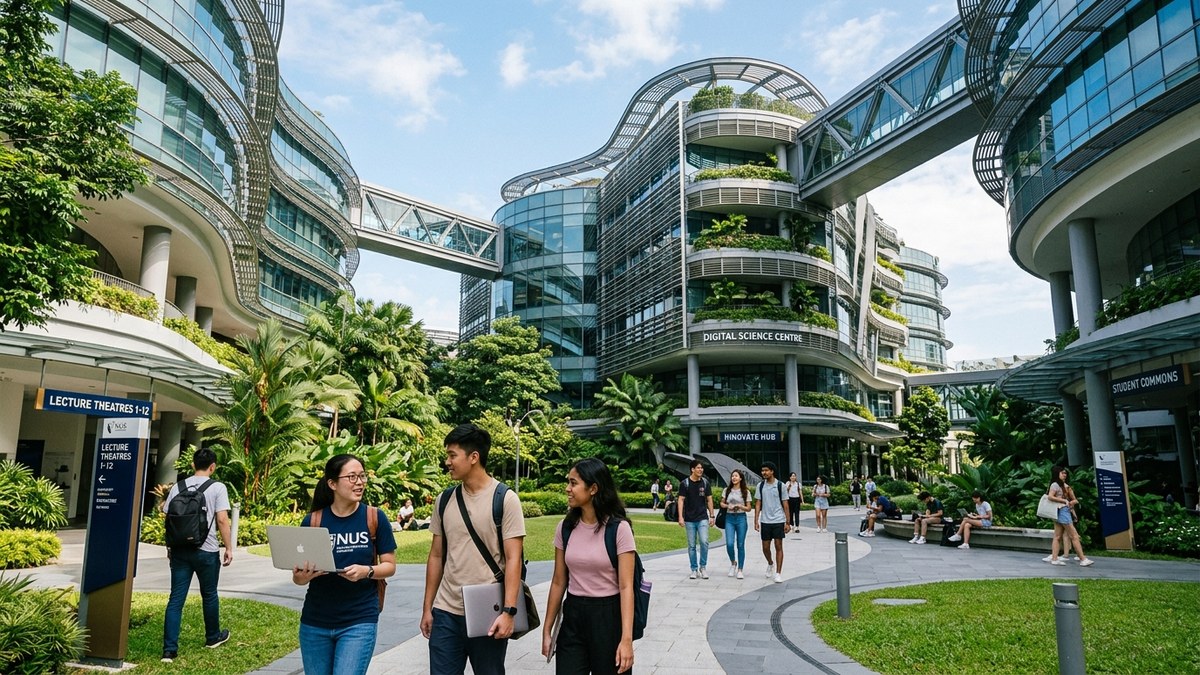
National University of Singapore (NUS): Established in 1905, NUS is Singapore's flagship comprehensive research university. Globally celebrated for its School of Computing, Faculty of Engineering, Faculty of Science, College of Design and Engineering, and NUS Business School, it provides a comprehensive educational framework spanning over 60 undergraduate majors.
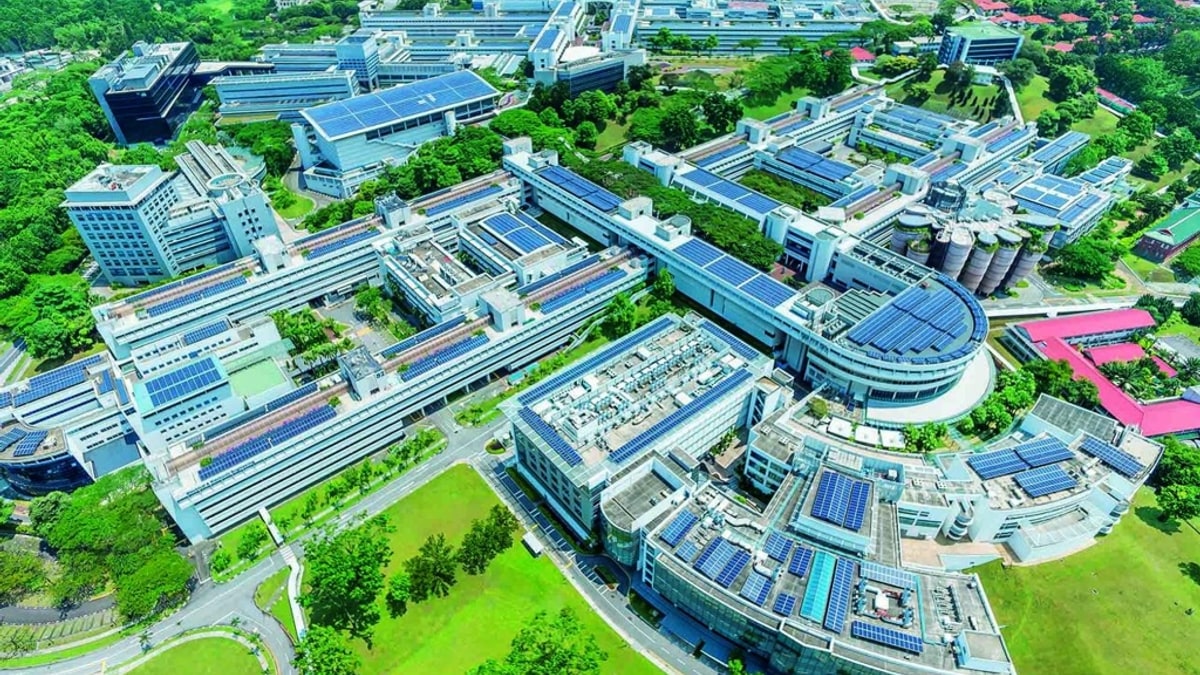
Nanyang Technological University (NTU): A technological powerhouse situated across a sprawling 200-hectare smart eco-campus. NTU is a global leader in Artificial Intelligence, Materials Science, Aerospace Engineering, Electrical & Electronic Engineering, and Business through Nanyang Business School (NBS).
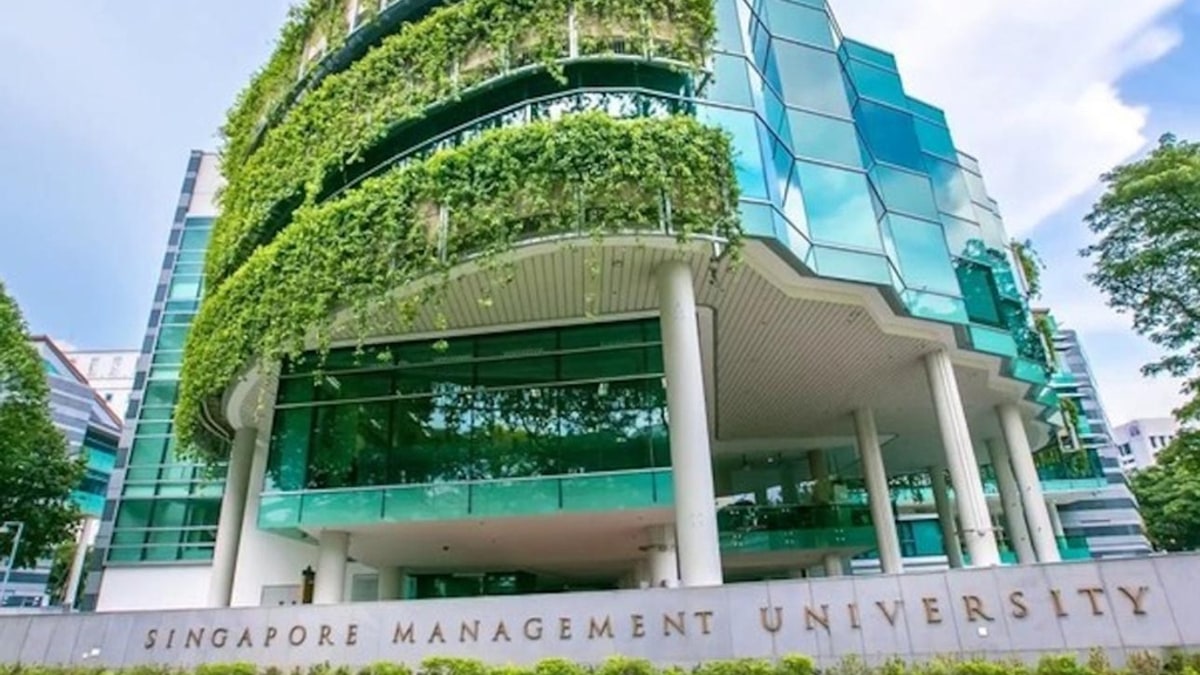
Singapore Management University (SMU): Modeled directly on the Wharton School of the University of Pennsylvania, SMU is located in the heart of Singapore's Central Business District. It specializes in Business Management, Quantitative Finance, Economics, Information Systems, and Law through intensive American-style seminar rooms.
| University & Program | CBSE / ISC Benchmark | State Board Benchmark | IB Diploma Points | Mandatory Prerequisites |
|---|---|---|---|---|
| NUS Computer Science | 96.5% - 98.5%+ | 98.5% - 99.5%+ | 42 - 44 / 45 | Class 12 Math (96%+), Physics/Chem |
| NUS Computer Engineering | 94.0% - 96.5% | 96.5% - 98.0% | 40 - 42 / 45 | Class 12 Math & Physics |
| NUS Mechanical / Electrical Eng | 92.0% - 95.0% | 95.0% - 97.0% | 38 - 40 / 45 | Class 12 Math & Physics |
| NUS Business Administration | 93.5% - 96.0% | 96.0% - 97.5% | 39 - 41 / 45 | Class 12 Mathematics (min 90%) |
| NTU Computer Science / DSAI | 95.5% - 98.0%+ | 97.5% - 99.0%+ | 41 - 43 / 45 | Senior Secondary Math + Physics |
| NTU Aerospace Engineering | 92.5% - 95.5% | 95.5% - 97.5% | 39 - 41 / 45 | Class 12 Math & Physics |
| SMU Business Management | 90.5% - 94.0% | 93.5% - 96.0% | 37 - 39 / 45 | Class 12 Math + Interview |
| SUTD Computer Science & Design | 88.0% - 93.5% | 92.0% - 95.0% | 36 - 39 / 45 | Class 12 Math + Physics/Chem |
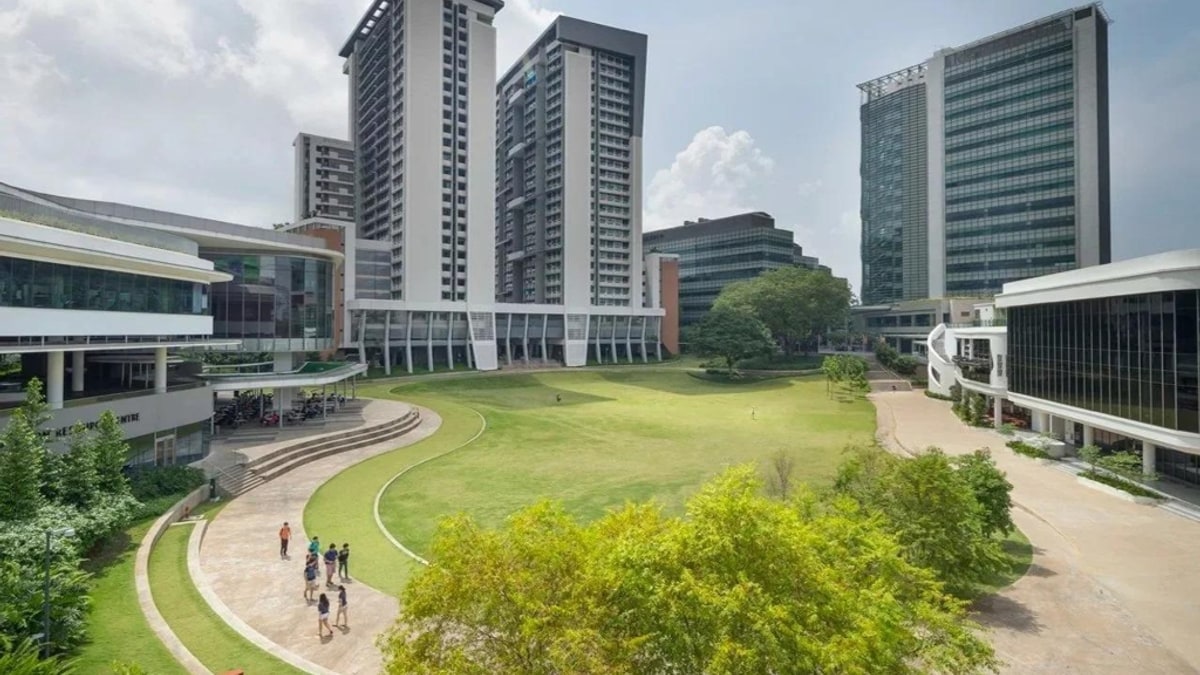
Singapore University of Technology and Design (SUTD): Developed in close collaboration with the Massachusetts Institute of Technology (MIT), SUTD focuses on multidisciplinary engineering product development, architecture, and computer science with design thinking embedded across all foundational years.
3. Board Equivalencies and Eligibility: CBSE, ISC, State Boards, IB, and Cambridge
Singapore university admissions offices maintain rigorous equivalency databases for Indian educational boards. Admission evaluation varies substantially based on the candidate's curriculum authority:
Central Board of Secondary Education (CBSE) & Council for the Indian School Certificate Examinations (ISC): CBSE and CISCE (ISC) represent the gold standard of recognized Indian qualifications across Singapore. Admissions assessors calculate an aggregate percentage across five academic subjects including English, Mathematics, and core discipline subjects (excluding physical education, work experience, or vocational subjects).
Indian State Boards (Maharashtra, Tamil Nadu, Karnataka, Telangana, Andhra Pradesh, etc.): State Board applicants face higher baseline percentage benchmarks due to historical grading variances. NUS and NTU typically require state board candidates to demonstrate top 1% percentile standing within their state (frequently 97% to 99%+ overall aggregate), often supported by national competitive exam scores such as JEE Main or JEE Advanced to substantiate academic consistency.
International Baccalaureate (IB) Diploma & Cambridge International A-Levels: IB Diploma applicants are assessed on predicted scores for initial shortlisting and final points upon release in July. Competitive thresholds for NUS Computer Science typically require 42 to 44 out of 45 points with 7s in Higher Level (HL) Mathematics: Analysis and Approaches and HL Physics. Cambridge A-Level students require minimum 4 A* grades at A-Level for elite STEM specializations.
4. Class 12 Board Percentage Cutoffs: Faculty-Wise Benchmarks for Indian Students
While Singapore universities do not publish rigid minimum cutoffs, historical admissions data provides unambiguous guidance on realistic competitive thresholds for Indian applicants:
For Computer Science, Data Science, and Artificial Intelligence at NUS and NTU, the typical competitive CBSE/ISC range spans from 96.5% to 98.5%+, with individual scores in Class 12 Mathematics and Physics consistently above 95%.
For core Engineering faculties (Mechanical, Electrical, Aerospace, Chemical, and Civil Engineering), the competitive threshold ranges between 92.0% and 96.0% overall aggregate.
For Business Administration, Finance, and Economics across NUS, NTU, and SMU, applicants presenting 93.0% to 96.0% with strong Class 12 Mathematics results remain highly competitive.
5. The Crucial Role of Subject Prerequisites: Why Overall Percentage is Not Enough
A common pitfall for Indian applicants is possessing an outstanding overall aggregate (such as 96% in CBSE Commerce or PCMB) while falling short in a mandatory subject prerequisite. In Singapore, faculty admissions are strictly departmentalized:
Mathematics Requirement: Almost all STEM, Computing, Economics, and Business programs at NUS, NTU, and SMU mandate rigorous Class 12 Mathematics. For Computing and Engineering, CBSE Applied Mathematics is often scrutinized more critically than standard CBSE Mathematics (Code 041). Students presenting Applied Mathematics should ideally supplement their profile with AP Calculus BC to erase any curriculum doubts.
Physics Requirement: All core engineering streams (Mechanical, Civil, Electrical, Aerospace, Mechatronics) at NUS and NTU require passing marks in Class 12 Senior Secondary Physics. Scoring below 90% in Physics significantly dampens engineering admission chances even if overall marks exceed 95%.
Chemistry Requirement: Required specifically for Chemical Engineering, Materials Science, Environmental Engineering, and Life Sciences/Biomedical faculties.
6. Standardized Testing: When JEE Advanced, SAT, ACT, and APs Tip the Scales
While standardized exams are not strictly compulsory for all Indian applicants with Class 12 board qualifications, their strategic utilization can convert borderline candidacies into guaranteed admissions:
The JEE Advanced Advantage at NUS and NTU: Admissions deans at both NUS and NTU hold the Indian Institute of Technology Joint Entrance Examination (JEE Advanced) in extraordinarily high regard. If an Indian applicant secures a Common Rank List (CRL) rank under 10,000 in JEE Advanced or 99th percentile in JEE Main, submitting these verified scores under the 'Achievements / Additional Information' section provides formidable validation of academic mastery, frequently bypassing marginal board percentage deficits.
Digital SAT and ACT: For SMU, high standardized test scores are actively recommended. A Digital SAT score of 1520+ (Math 780+, ERW 740+) or an ACT composite of 34+ establishes international academic benchmarking and fast-tracks interview invitations. At NUS and NTU, SAT scores serve as excellent supporting documentation for applicants from state boards or non-CBSE curricula.
Advanced Placement (AP) Exams: Scoring Grade 5 in AP Calculus BC, AP Physics C (Mechanics and Electricity & Magnetism), and AP Computer Science A serves as indisputable evidence of college-level subject proficiency, allowing Indian students to satisfy advanced prerequisite requirements.
7. Aptitude-Based Admissions (ABA): Beyond Pure Academic Marks
Singapore universities have progressively expanded their Aptitude-Based Admissions (ABA) pathways (formerly known as Discretionary Admissions). Under ABA, up to 20% to 30% of cohort places are awarded to candidates whose passion, exceptional accomplishments, and domain expertise demonstrate potential to thrive beyond raw board examination percentages.
Key criteria evaluated under ABA include: International and National Academic Olympiads (IOI, IMO, IPhO, IChO, KVPY fellows, NTSE scholars); Substantial leadership initiatives, non-profit founding, or social impact enterprises with measurable real-world outcomes; Published peer-reviewed research papers or scientific inventions demonstrated through patents; National-level athletic representation or artistic and cultural excellence; Sustained entrepreneurial ventures, competitive coding mastery (Kaggle Grandmaster, Codeforces Candidate Master), or open-source software contributions.
8. Written Personal Insight Statements: The Singapore Essay Framework
Both NUS and NTU incorporate short-answer essay prompts into the international application portal. Unlike US Common App personal statements that prioritize emotive storytelling, Singapore admissions essays prioritize intellectual clarity, subject mastery, and realistic career alignment:
Prompt 1: Choice of Program (NUS/NTU): Articulate with technical precision why you have selected your first-choice degree. Reference specific undergraduate research centers, elective tracks, and professors rather than generic statements about university prestige.
Prompt 2: Academic & Extracurricular Accomplishments: Highlight up to three principal achievements. Frame these accomplishments using the STAR methodology (Situation, Task, Action, Result) with quantitative evidence.
Prompt 3: Community & Leadership Contributions: Detail how your collaborative experiences have solved genuine organizational or societal problems.
9. The Admissions Interview Process: What to Expect from SMU, SUTD, and NUS
While many standard degree courses at NUS and NTU issue direct offers based purely on academic and supplementary credentials, competitive faculties and specialized universities mandate intensive interview rounds:
Singapore Management University (SMU) Behavioral & Case Interviews: SMU interviews virtually all shortlisted candidates. Conducted in small seminar groups or 1-on-1 formats, professors evaluate verbal assertiveness, spontaneous critical thinking, ability to engage in constructive debate, and grasp of contemporary economic and geopolitical trends.
SUTD Collaborative Problem-Solving Assessment: SUTD's interactive interview tests innovative problem-solving, design thinking, and collaborative team dynamics through real-time engineering and product design challenges.
NUS School of Computing & Double Degree Interviews: Conducted for competitive scholarship candidates and specialized dual-degree programs, testing fundamental algorithmic logic, mathematical puzzles, and genuine curiosity.
10. Ministry of Education (MOE) Tuition Grant: Subsidies vs 3-Year Bond Obligation
One of Singapore's most attractive features for Indian middle-class families is the Singapore Ministry of Education (MOE) Tuition Grant. International undergraduates who accept the grant receive a government subsidy covering approximately 40% to 55% of total tuition fees, reducing annual tuition from approximately S$38,000 - S$44,000 down to S$18,000 - S$22,500.
The 3-Year Service Obligation Agreement (SOA): In consideration of the Tuition Grant, international recipients must sign a formal legal contract with the Singapore Government committing to work in a Singapore-registered company for three (3) years immediately following graduation. This obligation is not bonded to the government or a specific ministry; graduates are completely free to seek employment across investment banks, tech unicorns, multinational corporations, or high-growth startups anywhere in Singapore. Failure to fulfill the bond requires repayment of the grant plus compounded annual interest.
11. English Language Proficiency: IELTS, TOEFL, and Waivers for Indian Students
Because English is the sole language of administration and instruction in Singapore universities, candidates must satisfy the English language benchmark:
Automatic Waiver Policy: Indian students from CBSE and ISC boards who score 85% or higher in Class 12 English Core / Elective generally receive an automatic waiver of external English testing at NUS and NTU.
IELTS Academic: Minimum overall band of 6.5 with no individual band below 6.0 (Law and Humanities mandate overall 7.0 with 7.0 in Reading and Writing).
TOEFL iBT: Minimum score of 90 to 93 (with minimum 22 in Writing).
PTE Academic: Minimum score of 62 to 68 across communicative skills.
12. Financial Planning: Tuition Costs, Living Expenses, and Financial Proofs
Evaluating the total investment required for an undergraduate education in Singapore requires budgeting across tuition, accommodation, and personal living expenditures:
On average, an international undergraduate studying in Singapore with the MOE Tuition Grant invests between S$30,400 and S$39,400 annually (inclusive of subsidized tuition, on-campus housing, meals, transit, and personal expenses). This translates to approximately Rs. 23.1 to 29.9 Lakhs per year, presenting extraordinary return on investment when benchmarked against US or UK alternatives.
13. Singapore Undergraduate Merit Scholarships for Indian Students
Singapore universities offer some of the world's most generous full-ride scholarships for high-achieving international undergraduates. Consideration is automatically integrated into the main application portal:
NUS Global Merit Scholarship & Undergraduate (UG) Scholarship: Awarded to outstanding academic achievers with demonstrated leadership. Covers full subsidized tuition fees, S$6,000 annual living allowance, S$1,750 computer allowance, and guaranteed on-campus accommodation.
NTU Nanyang Scholarship: NTU's pinnacle undergraduate award. Covers 100% subsidized tuition, S$6,500 annual living stipend, S$2,000 travel grant, S$1,750 computer grant, and guaranteed 4-year hostel placement.
SMU Lee Kong Chian Scholars' Programme (LKCSP): Premier 4-year scholarship offering 100% tuition coverage, laptop subsidy, annual allowance, fully funded international exchange, and overseas community service project.
14. Step-by-Step Application Protocol: From Profile Calibration to Offer Acceptance
Navigating the Singapore application workflow requires strict adherence to institutional deadlines and sequential verification stages:
Phase 1: Academic Shortlisting & Prerequisite Audit (August - October 2026)
Phase 2: Direct Portal Submissions & Predicted Marks Upload (November 2026 - February 2027)
Phase 3: Admissions Interviews & Standardized Score Submissions (March - April 2027)
Phase 4: Class 12 Final Board Mark Sheet Upload (May - June 2027)
Phase 5: Electronic Offer Acceptance, MOE Deed Signing & Visa Processing (June - July 2027)
15. The Complete Singapore University Admissions Document Checklist
Ensure all documents are high-resolution color scans under 2MB, certified by school authorities where required:
Valid International Passport with minimum 18 months validity; Class 10 Secondary School Board Examination Mark Sheet & Certificate; Class 11 Annual Transcript attested by Principal/Counselor; Class 12 Pre-Board Mark Sheet & School Predicted Scores; Class 12 Official Final Board Mark Sheet (upon release in May-June); Official JEE Main / JEE Advanced / NEET Scorecards; College Board SAT / ACT / AP Official Score Reports; Extracurricular & Olympiad Certificates; Academic Letters of Recommendation (2 required for SMU and scholarships).
16. Five Critical Admissions Mistakes That Derail Indian Candidates
Over two decades of mentoring Indian candidates targeting NUS and NTU reveals repetitive missteps that convert high-potential profiles into rejections:
Mistake 1: Neglecting Subject-Specific Mathematics & Physics Scores while chasing aggregate percentage.
Mistake 2: Writing US-style emotional narrative essays instead of structured intellectual impact statements.
Mistake 3: Waiting for final board exam results in May before submitting online university applications.
Mistake 4: Treating the Discretionary Admissions (ABA) section as optional or secondary.
Mistake 5: Failing to plan financial documentation for the ICA Student's Pass (STP) application.
17. CBSE vs ISC: How Singapore Universities Evaluate Curriculum Differences
Admissions committees at NUS, NTU, and SMU treat CBSE and ISC qualifications as academically equivalent, evaluating raw percentages with minor structural adjustments:
CBSE Evaluation: Calculated strictly across best five academic subjects. External board examinations conducted by CBSE in Class 12 carry 100% evaluation weight.
ISC Evaluation: Evaluated based on English plus best four academic subjects. ISC English is recognized for superior linguistic rigor, frequently ensuring rapid English proficiency waivers.
School Consistency: In addition to Class 12 board marks, NUS and NTU scrutinize Class 10 and 11 transcripts to verify sustained academic upward trajectory.
18. State Boards: Overcoming Normalization Challenges at NUS and NTU
Applicants from State Secondary Education Boards (such as Maharashtra HSC, Telangana State Board, Tamil Nadu State Board, Karnataka PUC, Andhra Pradesh Board of Intermediate Education) encounter distinct evaluation criteria:
Due to historical grade inflation across certain state boards, raw percentages of 95% or 96% may not trigger automatic interview invitations.
State board candidates must aggressively highlight state-wide rank certificates (Top 0.1% or Top 1% merit certificates issued by the board).
Submitting supplementary national exam proofs (JEE Main percentile 99+, JEE Advanced rank, or SAT 1530+) provides the objective standardization Singapore deans seek.
19. Computer Science & AI Admissions: Inside NUS School of Computing & NTU CCDS
Computing degrees represent the single most competitive academic track in Singapore higher education:
NUS School of Computing (SoC): Consistently ranked #6 worldwide for Computer Science. Offers Bachelor of Computing in Computer Science, Information Security, Business Analytics, and Computer Engineering.
NTU College of Computing and Data Science (CCDS): Pioneer in Artificial Intelligence, Cyber Security, and Data Science. Home to world-class research institutes in machine learning and autonomous systems.
Indian applicants require exceptional mathematics marks (97%+ in CBSE/ISC) combined with competitive programming proofs (Codeforces, Kaggle, Olympiads in Informatics) or advanced GitHub repositories.
20. Engineering Admissions: Aeronautical, Mechanical, and Electrical at NTU and NUS
Singapore's engineering faculties maintain deep integration with global industrial titans like Rolls-Royce, Boeing, Dyson, Micron, and Applied Materials:
NTU College of Engineering is among the world's top 10 engineering schools by citations and research volume, producing engineering graduates who lead Singapore's aerospace and semiconductor clusters.
NUS College of Design and Engineering (CDE) emphasizes flexible, multidisciplinary engineering curricula, allowing students to combine robotics with biomedical engineering or finance.
Prerequisite Mastery: Minimum 92% to 95% in Mathematics and Physics in Class 12 is mandatory.
21. Business & Finance Admissions: SMU Lee Kong Chian vs NUS Business vs Nanyang
Singapore is the financial command center of Southeast Asia, making its undergraduate business degrees premier gateways to investment banking, private equity, and management consulting:
SMU Lee Kong Chian School of Business: Interactive seminar style, 100% mandatory global internship participation, prime city campus walking distance to Raffles Place financial institutions.
NUS Business School: Highly prestigious, offering specialized tracks in Finance, Marketing, Supply Chain, and Business Analytics, with prestigious NUS Overseas Colleges (NOC) exchange semesters.
Nanyang Business School (NTU): Famous for its 3-year accelerated Bachelor of Business and Bachelor of Accountancy degrees, leading to rapid corporate absorption.
22. Design & Tech Admissions: SUTD's MIT-Collaborative Model
For students fascinated by the intersection of engineering, software architecture, and product design, SUTD offers an unmatched paradigm:
Developed with MIT, SUTD students undergo a common foundational curriculum (Freshmore) spanning physics, mathematics, humanities, and computer science before selecting their specialization pillar.
Core Pillars include: Computer Science & Design (CSD), Engineering Product Development (EPD), Engineering Systems and Design (ESD), and Architecture and Sustainable Design (ASD).
Admissions emphasize interactive group interviews, design portfolios, and makerspace prototyping experience.
23. Medical & Law Admissions: What Indian Students Need to Know
Professional faculties in Singapore maintain highly restrictive international quotas:
Medicine (NUS Yong Loo Lin & NTU Lee Kong Chian): Primarily reserved for Singapore citizens and permanent residents. Very few international seats exist, requiring UCAT/BMAT, intensive MMI interviews, and outstanding Class 12 marks.
Law (NUS Faculty of Law & SMU Yong Pung How School of Law): Open to international students but intensely competitive. Mandates formal law written tests, critical reasoning assessments, and interviews.
24. The Discretionary Admissions (ABA) Rubric: Crafting High-Impact Portfolios
Transforming your extracurricular profile into an ABA asset requires strategic alignment:
Depth over Breadth: Singapore universities prefer deep, verifiable domain mastery over a scattered list of 10 school clubs.
Tier 1 Proofs: National and International Olympiads (RMO, INMO, INPhO, INChO, INOI), published research papers, patented inventions.
Tier 2 Proofs: State-level competitive sports, regional hackathon victories, founding revenue-generating student startups, published apps with verified user traction.
25. ICA Student's Pass (STP) & In-Principle Approval (IPA) Visa Process
Securing your student visa to study in Singapore is managed digitally through the Immigration & Checkpoints Authority (ICA):
Step 1: University registers accepted candidate on the Student's Pass Online Application & Registration (SOLAR) system.
Step 2: Candidate submits eForm 16 and pays processing fee (S$45).
Step 3: ICA issues In-Principle Approval (IPA) letter, which serves as a single-entry visa to enter Singapore.
Step 4: Complete mandatory health screening in Singapore and book offsite collection of biometric Student's Pass card.
26. On-Campus Housing & Residential Colleges: Life at UTown, Halls, and Residences
Campus residential life in Singapore blends intense academic study with global cultural immersion:
NUS Residential Colleges (RCs) in University Town (UTown): Offer multidisciplinary living-learning programs where professors and students reside together, debating global issues and conducting joint research.
NTU Halls of Residence: NTU guarantees on-campus accommodation for all international freshmen across its 24 unique residential halls, featuring vibrant cultural, athletic, and leadership communities.
27. Working While Studying: Ministry of Manpower (MOM) Employment Regulations
International students holding a valid Student's Pass at autonomous Singapore universities are legally permitted to work part-time:
Term-Time Work: Up to 16 hours per week during academic semesters without requiring a separate work permit.
Vacation Work: Full-time work (up to 44 hours per week) during official university vacation periods.
Internship Work: Compulsory academic internships integrated into the degree curriculum are fully recognized and legally protected.
28. Post-Graduation Career Pathways & Singapore Employment Pass (EP)
Graduating from NUS, NTU, SMU, or SUTD provides direct entry into Singapore's high-wage corporate economy:
COMPASS Framework Advantage: Autonomous Singapore university graduates earn top tier points under Criterion 2 (Qualifications) of Singapore's Complementarity Assessment Framework.
Median Starting Salaries: Computer science graduates command median starting monthly pay of S$6,500 - S$7,200 (approx. Rs. 49 - 54 Lakhs annually).
Permanent Residency (PR): Graduates holding employment under an EP are eligible to apply for Singapore Permanent Residency after several years of tax contributions.
29. Case Study: How an Indian CBSE Student Secured NUS Computer Science with 97.2%
An EduQuest mentee from Delhi presented 97.2% in CBSE Class 12 (98 in Math, 96 in Physics, 97 in Chemistry, 98 in CS, 97 in English).
Strategic Profile Intervention: Completed an independent machine learning research paper on neural network optimization; achieved 1550 on Digital SAT (800 Math); submitted CRL rank 6,400 in JEE Advanced.
Outcome: Received direct unconditional offer for NUS Bachelor of Computing in Computer Science with MOE Tuition Grant in May 2026.
30. Case Study: Transitioning from Commerce Stream to SMU Quantitative Finance
An ISC Commerce candidate from Bangalore presented 95.4% aggregate with 96% in Mathematics and strong economics foundation.
Strategic Profile Intervention: Prepared for SMU's rigorous behavioral interview using EduQuest AI MMI simulator; highlighted national Wharton investment competition finalist standing.
Outcome: Secured admission to SMU Lee Kong Chian School of Business with Lee Kong Chian Scholars' Programme interview invitation.
31. EduQuest 12-Month Singapore Admissions Action Plan for Class 11 and 12 Students
Maximizing admission success requires structured multi-stage execution:
Months 1-3: Diagnostic testing, subject prerequisite validation, research paper topic selection.
Months 4-6: Standardized test prep (Digital SAT/ACT/AP), academic olympiad participation.
Months 7-9: Draft institutional personal insight essays, compile verified extracurricular portfolio.
Months 10-12: Portal submissions (Dec-Feb), interview prep, board exam focus, final result upload.
32. Summary & Next Steps: Transforming Your Singapore University Dream into Reality
Singapore represents a golden intersection of world-leading academic excellence, manageable financial investment through the MOE Tuition Grant, and direct access to high-paying international careers. Achieving admission requires disciplined preparation across Class 12 board marks, prerequisite mastery, strategic standardized testing, and compelling profile evidence.
Connect with EduQuest's Singapore Admissions Directorate today for comprehensive profile evaluation, prerequisite auditing, and end-to-end application strategy.
Accelerate Your Singapore Admissions Profile with EduQuest AI Engines
Leverage our proprietary AI intelligence ecosystem to assess your admissions odds, benchmark your academic narrative, and simulate interviews for NUS, NTU, SMU, and SUTD.
EduPath Admissions Profiler
Calculates your statistical acceptance probability for NUS and NTU based on CBSE/ISC marks, subject prerequisites, and standardized tests.
- ✓ CBSE/ISC Grade Normalizer
- ✓ Faculty Prerequisite Audit
- ✓ Scholarship Competitiveness Index
Narrative Intelligence Engine
Analyzes your extracurricular portfolio and ABA essays against historical admission cohorts at top Singapore universities.
- ✓ Aptitude-Based Admissions (ABA) Audit
- ✓ Spike Alignment Scoring
- ✓ Olympiad & Research Weighting
AI MMI & Interview Coach
Simulate high-stakes behavioral and case interview scenarios for SMU Business/Law and SUTD collaborative assessments.
- ✓ Real-Time Speech & Logic Feedback
- ✓ SMU Seminar Case Studies
- ✓ Spontaneous Debate Simulation
AI Diagnostic Mock Hub
Practice adaptive Digital SAT, ACT, and AP simulations calibrated to Singapore university scholarship target percentiles.
- ✓ Full-Length Adaptive Engine
- ✓ Subscore Analytics & Prediction
- ✓ Target Score Calibration (1540+)
Can Indian students apply to NUS and NTU before Class 12 board exam results are declared?
Yes, absolutely. In fact, all Indian students taking Class 12 board exams in March-April MUST apply before the institutional application deadline (mid-February) using their Class 10 official board marks, Class 11 annual marks, and Class 12 school-certified predicted/pre-board scores. Once final CBSE or ISC results are declared in May, applicants log into their applicant portal and upload their official digital mark sheet.
What is the minimum CBSE percentage required for NUS Computer Science?
While NUS does not publish a rigid numerical cutoff, historical admission data indicates that successful Indian CBSE applicants for BComp Computer Science typically present an overall aggregate of 96.5% to 98.5%+, with 97%+ specifically in Mathematics and Physics. Borderline candidacies (94-96%) require strong compensation via JEE Advanced ranks (top 10,000), 1540+ Digital SAT, or National Olympiad medals under Aptitude-Based Admissions (ABA).
Is JEE Advanced mandatory for admission to NTU or NUS?
No, JEE Advanced is not mandatory. Indian applicants can secure admission purely on the basis of exceptional Class 12 CBSE/ISC marks. However, submitting a top JEE Advanced or JEE Main percentile provides an enormous competitive advantage for highly capped computing and engineering programs, serving as indisputable third-party validation of STEM mastery.
Does the MOE Tuition Grant 3-year bond force me to work in government offices?
No. The 3-year service obligation allows you to work in any enterprise, multinational corporation, startup, research institute, or financial institution registered in Singapore. Graduates work freely for firms like Google, Meta, Goldman Sachs, DBS Bank, McKinsey, Shopee, and Grab under standard commercial compensation.
Is Digital SAT required for admission to Singapore Management University (SMU)?
While SMU accepts Indian Class 12 board marks directly, submitting a competitive Digital SAT (1500+) or ACT (33+) is strongly recommended and frequently fast-tracks candidates directly to the scholarship interview stage.
Download the Complete Singapore Undergraduate Admissions Guide (2027 Entry)
Get instant access to our comprehensive 40-page PDF containing board cutoff matrices, subject prerequisite conversion tables, ABA portfolio checklists, and MOE Tuition Grant financial models.