
UK Undergraduate Admissions Strategic Portals
Admissions Advisory
1-on-1 Russell Group Mentorship
Get your Class 11 & 12 board marks evaluated, UCAS 5-choice strategy calibrated, and supercurricular portfolio verified.
Explore UK MentorshipUK Test Prep
LNAT, TMUA & ESAT Coaching
Ace mandatory UK university admissions assessments with specialized diagnostic test banks and past paper analysis.
Explore Test PrepOfficial Dossier
Free 2027 UK Entry Guide
Download the comprehensive CBSE/ISC to A-Level converter, Russell Group minimum cutoffs matrix, and IELTS waiver checklist.
1. Executive Overview: Navigating UK Undergraduate Admission Requirements in 2027
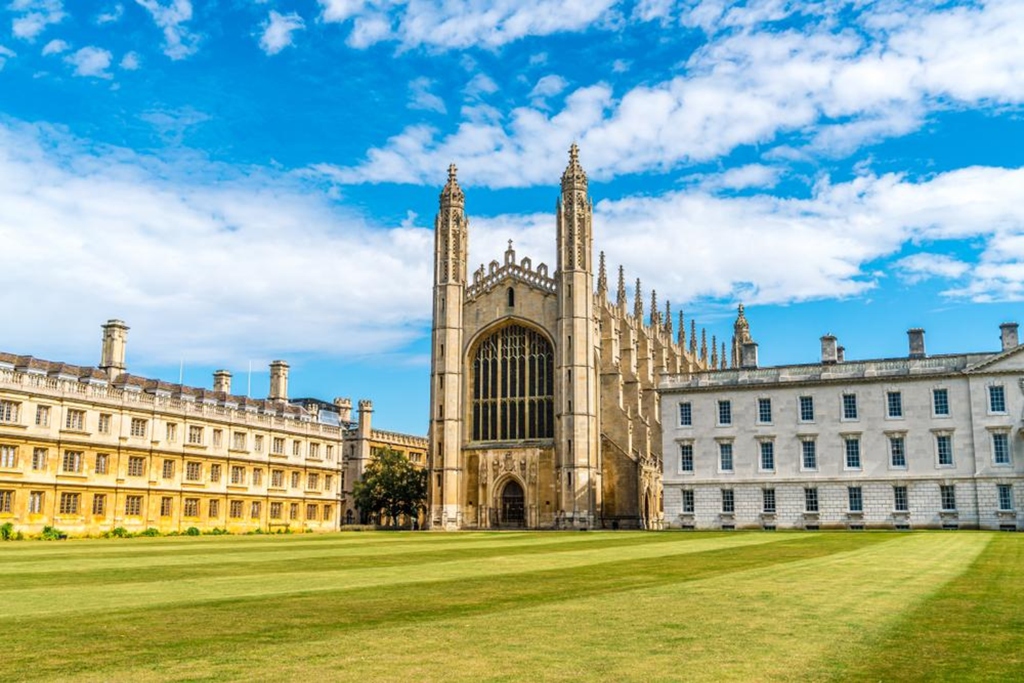
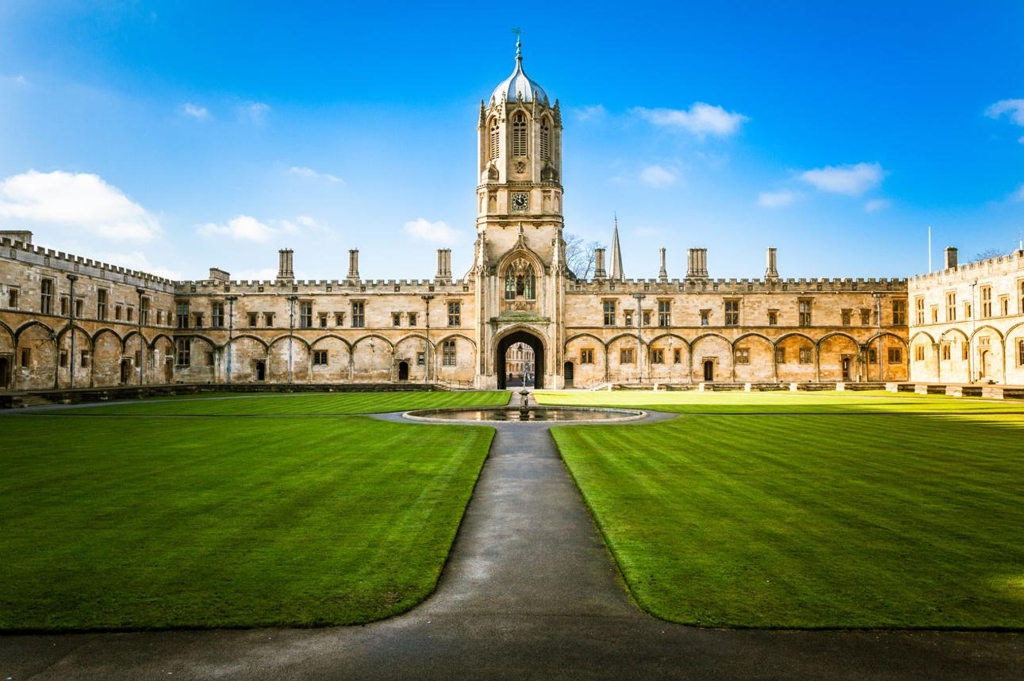
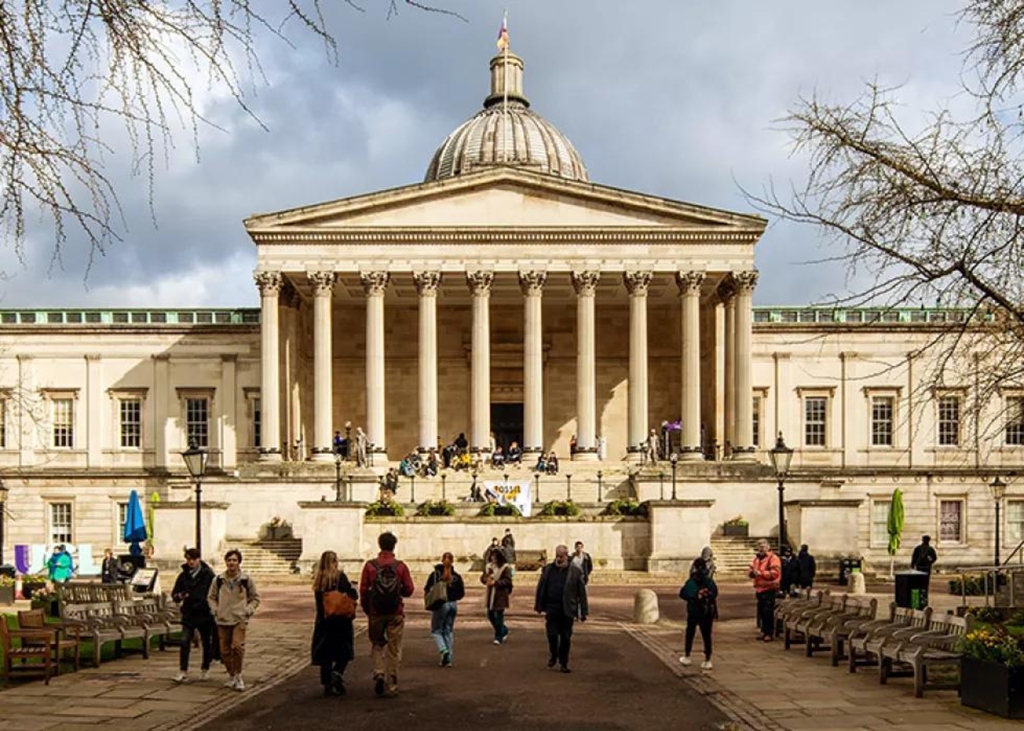
The United Kingdom has long stood as one of the premier global destinations for Indian high school graduates seeking world-class academic rigor, historic university culture, and accelerated three-year bachelor's degrees. From ancient collegiate universities like Oxford and Cambridge to global research institutions like Imperial College London, University College London (UCL), and the London School of Economics (LSE), the UK hosts some of the most prestigious academic faculties in the world.
However, understanding UK undergraduate admission requirements requires an entirely distinct mindset from both the Indian entrance examination system (such as JEE, NEET, or CUET) and the American holistic admissions framework. In the UK, admissions decisions are governed primarily by academic merit, subject-specific prerequisites, verified predicted grades, and demonstrated supercurricular engagement.
For Indian students studying under CBSE, ISC, State Boards, or international curricula (IB and Cambridge A-Levels), knowing your UK university eligibility after 12th CBSE and the exact percentage required to study in UK is essential to making realistic, strategic university choices. This master guide outlines every facet of the UK undergraduate entry requirements for Indian students for 2027 entry, including board percentage conversions, subject prerequisites, English language waivers, entrance exams, and financial requirements.
2. The British Admissions Philosophy: Academic Depth over Extracurricular Breadth
Fast-Track Your College & Career Strategy
Get immediate, personalized AI insights tailored to your grade, strengths, and dream universities — 100% free with instant reports.
Know Your Personality Type for Free
Take our 18-question AI psychometric test to uncover your cognitive archetype, hidden learning superpowers, and ideal university courses.
Personalized Career & University EduPath
Build a step-by-step Grade 8–12 admissions blueprint with AI-matched target universities, exam schedules, and extracurricular profiles.
The most fundamental distinction between US and UK university admissions lies in what admissions tutors evaluate. While US colleges practice holistic review—assessing personal character, sports, hobbies, and diverse extracurricular leadership—UK university admissions tutors focus almost exclusively on academic capability and intellectual commitment to a specific course.
In the UK, you apply to a specific course (e.g., BA Law, BSc Economics, BEng Mechanical Engineering), not to the general university. An admissions tutor at Oxford or LSE does not care if you play the violin, captain the cricket team, or volunteer on weekends, unless those activities directly demonstrate advanced academic engagement with your chosen subject. This focused intellectual engagement is known as supercurricular activity.
3. Degree Structure in the UK: 3-Year English Degrees vs. 4-Year Scottish Degrees
Before applying, Indian families must recognize the regional distinctions within the United Kingdom:
- England, Wales, and Northern Ireland (3-Year Bachelor's): Undergraduate degrees are specialized from day one. There are no general education requirements. Students take courses exclusively within their discipline, saving an entire year of tuition and living expenses compared to the US or India.
- Scotland (4-Year Master of Arts / Bachelor of Science): Scottish universities (such as Edinburgh, St Andrews, and Glasgow) offer four-year undergraduate degrees, allowing students to study two outside subjects alongside their primary major during the first two years, similar to the American liberal arts structure.
- Integrated Master's Degrees (4 Years): In STEM and Engineering disciplines, students often enroll in 4-year undergraduate master's degrees (e.g., MEng, MSci, MMath), which lead directly to Chartered Engineer (CEng) accreditation.
4. Indian Board Marks to UK A-Level Equivalence: The Official Conversion Rubric
UK universities benchmark Indian applicants against British A-Level standards (A*A*A*, A*AA, AAA, AAB, ABB). The standard equivalency recognized by Russell Group universities for CBSE and ISC boards is as follows:
| UK A-Level Standard Offer | CBSE / ISC Overall Equivalent | Required Marks in Key Subject 1 | Required Marks in Key Subject 2 |
|---|---|---|---|
| A*A*A* (Oxbridge STEM / Imperial) | 95% – 98% overall | 95% – 98% (e.g. Maths) | 95%+ (e.g. Physics) |
| A*AA (LSE / UCL / Warwick Economics) | 92% – 95% overall | 95%+ (e.g. Maths) | 90%+ in related subject |
| AAA (Russell Group Premier) | 88% – 92% overall | 90%+ in required subjects | 85%+ in core subjects |
| AAB (Russell Group Mid-Tier) | 82% – 88% overall | 85%+ in required subjects | 80%+ in core subjects |
| ABB – BBB (Solid Regional Unis) | 75% – 82% overall | 75%+ in required subjects | 75%+ in core subjects |
5. Understanding the Russell Group: 24 Elite Research Universities
The Russell Group represents 24 world-class, research-intensive UK universities that produce over two-thirds of the UK's world-leading research and more than half of all doctoral degrees. It includes Oxford, Cambridge, Imperial, UCL, LSE, King's College London, Edinburgh, Manchester, Bristol, Warwick, Glasgow, and Birmingham.
While Russell Group universities maintain the highest academic entry bars, non-Russell Group institutions (such as Bath, Lancaster, Surrey, Loughborough, and St Andrews) frequently match or exceed Russell Group rankings for specific vocational disciplines like Architecture, Sports Science, Business, and Industrial Design.
6. Subject-Specific Prerequisites: Non-Negotiables for Indian Applicants
A high overall percentage is useless if you lack the mandatory subjects required for your chosen degree course:
- Economics (BSc): Core Class 12 Mathematics is strictly mandatory at LSE, Cambridge, UCL, and Warwick. "Applied Mathematics" is often rejected or evaluated on a case-by-case basis. High school economics is NOT required, but 95%+ in Class 12 Mathematics is essential.
- Engineering & Computer Science: Core Mathematics and Physics are mandatory. Further Mathematics or Computer Science electives provide an added advantage.
- Law (LLB): No specific subject is required. High marks in essay-based subjects (English, History, Political Science) or Commerce/Science are equally accepted.
- Medicine (MBBS): Chemistry and Biology/Mathematics are non-negotiable.
7. State Board Realities: Maharashtra, Karnataka, Tamil Nadu, and Other State Boards
While CBSE and ISC boards are universally accepted across all UK institutions, several top-tier universities (such as Cambridge, Oxford, Imperial, and LSE) do not accept certain State Board qualifications directly for first-year entry, or impose substantially higher grade cutoffs (often 95%–98%+).
State Board students who do not meet direct entry criteria can enroll in a one-year UK International Foundation Year hosted on university campuses (such as UCL UPC, Warwick IFP, or King's Foundation), progressing directly into Year 1 upon completion.
8. English Language Requirements: How to Get an IELTS / TOEFL Waiver
One of the most attractive aspects of studying in the UK for Indian students is the widespread availability of IELTS Waivers:
- CBSE & ISC English Core Waiver: Over 80% of UK universities (including Manchester, Warwick, Bristol, Birmingham, Leeds, and Sheffield) waive external IELTS/PTE testing if an Indian applicant scores 75% to 85%+ in English Core in Class 12.
- Standard IELTS Requirements: For universities that do not waive English tests (such as Oxford, Cambridge, and LSE), target an IELTS Academic score of 7.0 to 7.5 overall, with no individual sub-band below 6.5 to 7.0.
- Accepted Alternatives: PTE Academic (Pearsons 68–76+) and TOEFL iBT (100–110+) are universally accepted across UK Tier 4 student visa sponsors.
9. Mandatory UK Admissions Tests: UCAT, LNAT, TMUA, ESAT, and STEP
For the most competitive degree courses at top universities, board marks alone cannot differentiate thousands of applicants with 95%+ marks. Admissions committees require external standardized entrance examinations:
| Admissions Exam | Target Disciplines | Key Requiring Institutions | Testing Window |
|---|---|---|---|
| UCAT (University Clinical Aptitude Test) | Medicine & Dentistry | Over 30 UK Medical Schools (King's, UCL, Bristol) | July – September annually |
| LNAT (National Admissions Test for Law) | Law (LLB) | Oxford, Cambridge, UCL, LSE, King's, Bristol, Durham | September – December / January |
| TMUA (Test of Mathematics for University Admission) | Economics, Computer Science, Mathematics | Cambridge, LSE, Imperial, Warwick, Durham | October & January test sittings |
| ESAT (Engineering & Science Admissions Test) | Engineering, Physics, Natural Sciences | Imperial College London & Cambridge University | October & January test sittings |
| STEP (Sixth Term Examination Paper) | Mathematics (Advanced) | Cambridge, Warwick, Imperial | June (Post-Offer Condition) |
Download the UK Undergraduate Admission Requirements Guide (2027 Entry)
Get our comprehensive data dossier: CBSE/ISC to A-Level grade equivalence table, Russell Group minimum percentage directory, English language waiver checklist, and mandatory entrance test benchmarks.
10. The Predicted Grades Mechanism: How Your School Grades Secure Conditional Offers
Because Indian Class 12 board results are published in May, UCAS applications submitted between September and January are evaluated based on Predicted Grades issued by your high school counselor or principal.
Your school predicts your final board percentages based on Class 11 final transcripts and Class 12 internal mid-term/pre-board exam performance. If a university makes you an offer, it will be a Conditional Offer (e.g., "Achieve an overall 92% in CBSE with 95% in Mathematics"). Your admission is formally confirmed once official board results are published.
11. The UCAS Personal Statement: 4,000 Characters of Pure Intellectual Passion
On UCAS, you write a single Personal Statement (strictly capped at 4,000 characters including spaces, or 47 lines) that is sent to all five of your university choices. It must adhere to the 80/20 Rule: 80% dedicated to supercurricular academic exploration, and at most 20% to extracurricular achievements.
12. The Academic Reference: What UK Admissions Tutors Expect from Your Recommender
Under new UCAS guidelines, the academic reference is divided into three structured sections: (1) General information about your high school context, (2) Any extenuating circumstances affecting your academic performance, and (3) Course-specific academic capability and intellectual readiness written by your subject teachers.
13. Applying to Oxford vs. Cambridge: The Strict Mutual Exclusivity Rule
Under UCAS regulations, you cannot apply to both Oxford and Cambridge in the same application cycle (except for organ scholars). You must choose either Oxford or Cambridge. Furthermore, the application deadline for Oxbridge is October 15, nearly three months earlier than standard UK universities.
14. The Collegiate System: Selecting an Oxford or Cambridge College
Oxford comprises 39 colleges and Cambridge comprises 31 colleges. Your college is your residential, social, and academic home where small-group teaching—known as Tutorials at Oxford and Supervisions at Cambridge—takes place with leading faculty Fellows. You can either select a specific college on UCAS or submit an "Open Application."
15. The Academic Interview: Decoding the Oxbridge & Imperial Oral Assessment
Candidates who pass initial paper screening and test cutoffs at Oxford, Cambridge, and selected Imperial departments are invited for online video interviews in December. Unlike American behavioral interviews, UK interviews are mock university tutorials designed to test how you think through unfamiliar academic problems when given guidance by professors.
16. International Foundation Programmes (IFP): Bridging Grade Gaps
For Indian students whose Class 12 board marks fall below direct undergraduate entry thresholds (e.g., 65%–75%), reputable foundation years provide a guaranteed pathway into Year 1 of top UK bachelor's degrees upon achieving 65%+ in foundation modules.
17. Tuition Fees and Living Costs: London vs. Non-London University Budgets
| Location & University Type | Annual Tuition Fees (GBP / INR) | Annual Living Costs (GBP / INR) | Total Annual Budget (GBP / INR) |
|---|---|---|---|
| London Universities (UCL, Imperial, King's, LSE) | £26,000 – £40,000 (~₹28–₹44 Lakhs) | £15,000 – £18,000 (~₹16–₹20 Lakhs) | £41,000 – £58,000 (~₹44–₹64 Lakhs/yr) |
| Non-London Russell Group (Manchester, Warwick, Bristol) | £22,000 – £32,000 (~₹24–₹35 Lakhs) | £10,000 – £13,000 (~₹11–₹14 Lakhs) | £32,000 – £45,000 (~₹35–₹49 Lakhs/yr) |
| Regional UK Universities (Lancaster, Surrey, Dundee) | £16,000 – £24,000 (~₹17–₹26 Lakhs) | £9,000 – £11,000 (~₹10–₹12 Lakhs) | £25,000 – £35,000 (~₹27–₹38 Lakhs/yr) |
18. Scholarships for Indian Undergraduates: What Is Realistically Available?
Unlike US colleges that offer 100% need-based financial aid, UK universities offer primarily partial merit scholarships ranging from £2,000 to £10,000 per year. Prestigious full-ride undergraduate scholarships (such as the Oxford Simon and June Li Scholarship or Cambridge Trust awards) are exceptionally scarce and competitive.
19. UK Student Visa (Student Route) Requirements: CAS, TB Test, and Funds
Once you fulfill your conditional offer, your university issues a Confirmation of Acceptance for Studies (CAS). To obtain your UK Student Visa, you must provide:
- Proof of Financial Maintenance: Course tuition for Year 1 plus 9 months of living expenses (£1,334/month for London, £1,023/month outside London) held in a bank account for a continuous 28-day holding period.
- Tuberculosis (TB) Test Certificate: From an approved UK Visas and Immigration (UKVI) medical clinic in India.
- Immigration Health Surcharge (IHS): Paid upfront to access the UK National Health Service (NHS).
20. Part-Time Work Regulations: 20 Hours per Week on a Student Visa
International students studying at a recognized UK higher education institution are legally permitted to work up to 20 hours per week during term time and full-time during official vacation periods. Typical student jobs pay between £10.50 and £13.50 per hour.
21. The Graduate Route Visa: 2 Years of Post-Study Work Authorization (PSW)
Upon completing your undergraduate degree in the UK, you are eligible to apply for the UK Graduate Route Visa. This grants international bachelor's degree holders two full years to live and work in the UK in any sector without requiring employer sponsorship or minimum salary thresholds.
22. International Baccalaureate (IB) and Cambridge A-Levels from India
For Indian students attending IB or Cambridge schools in India, UK universities publish explicit points requirements: top Russell Group universities typically demand 36 to 42 points in the IB Diploma (with 6,6,6 or 7,6,6 in Higher Level subjects) or A*AA to AAA in Cambridge A-Levels.
23. Strategic Decision Flowchart: Direct Undergraduate vs. Foundation Year
Follow this framework to decide your application route:
Board Score ≥ 85% in CBSE/ISC with required subjects
Apply directly to 5 UCAS undergraduate degree choices across Russell Group universities.
Board Score 75%–84% with good English
Apply to a balanced mix of mid-tier Russell Group and top non-Russell Group universities directly.
Board Score < 75% or non-recognized State Board
Target integrated International Foundation Year programmes hosted directly by prestigious universities.
24. The 7 Deadliest UK Application Mistakes Made by Indian Students
- 1. Writing an "American-Style" Personal Statement Submitting a personal statement focused on childhood emotional epiphanies, sports, and community service. UK tutors want to read about academic literature and subject engagement.
- 2. Missing Key Subject Prerequisites Applying for BSc Economics at LSE or Warwick without Class 12 Core Mathematics. Rejection is instantaneous regardless of your 98% overall board score.
- 3. Applying to Both Oxford and Cambridge Attempting to select both universities on UCAS, which results in automatic invalidation of one choice.
- 4. Neglecting Mandatory Admissions Tests Forgetting to register for the UCAT, LNAT, or TMUA by the September/October registration cutoffs.
- 5. Over-Optimistic Predicted Grades Persuading school teachers to inflate predicted grades, only to fail the final board conditions and lose your university place in July.
- 6. Violating the 28-Day Bank Account Rule Failing to hold maintenance funds in your bank account for a continuous 28-day period prior to submitting visa documents.
- 7. Submitting Five Highly Divergent Courses on UCAS Applying to Law, Economics, Engineering, and History simultaneously. Because one personal statement is sent to all choices, your essay will appear incoherent.
25. Student Housing: University Halls of Residence vs. Private Accommodations
First-year international students in the UK are guaranteed a room in University Halls of Residence (catered or self-catered flats). In subsequent years, students typically rent shared student houses with peers or private purpose-built student accommodations (PBSA).
26. Healthcare in the UK: Accessing the National Health Service (NHS)
By paying the mandatory Immigration Health Surcharge (IHS) during your visa application, you receive full access to the UK National Health Service (NHS), including doctor visits at local GP surgeries, emergency medical care, and hospital treatments without additional out-of-pocket medical insurance bills.
27. Real Case Studies: 3 Indian Students Admitted to Top UK Universities
| Student Archetype | Board & Marks | Key Admissions Indicators | Admitted Outcome |
|---|---|---|---|
| Case Study A: Diya (Law) | ISC (96.2%), English 98% | LNAT Score: 31/42; essay analyzed judicial overreach; IELTS waived. | Admitted to Oxford (Magdalen College) & UCL Law |
| Case Study B: Kabir (Economics) | CBSE (97.0%), Maths 99% | TMUA Score: 7.2; supercurriculars featured regression study on RBI rates. | Admitted to LSE (BSc Economics) & Warwick |
| Case Study C: Rohan (Mechanical Eng) | CBSE (94.5%), Maths 96%, Physics 95% | ESAT Score: High band; online robotics portfolio; high school hackathon winner. | Admitted to Imperial College London & Manchester |
28. The EduQuest UK Admissions Acceleration Framework
At EduQuest, our team of former Russell Group mentors and admissions specialists prepares Indian applicants through structured, step-by-step guidance:
- UCAS Course & College Strategy: Selecting a balanced portfolio of five courses aligned with your predicted grades.
- Supercurricular Curation: Guiding your reading lists, academic essays, and podcast syntheses to build an unbeatable 80/20 personal statement.
- Admissions Test Mastery: Intensive prep for UCAT, LNAT, TMUA, and ESAT with timed mock simulations.
- Oxbridge Interview Drills: Conducting realistic mock tutorial interviews with UK subject alumni.
29. Frequently Asked Questions (FAQs) on UK Undergraduate Admissions for Indian Students
What is the minimum percentage required to study in UK after Class 12 for Indian students?
For top Russell Group universities (Oxford, Cambridge, LSE, Imperial, UCL), students typically require 90% to 95%+ in Class 12 CBSE or ISC boards. For other well-regarded UK universities, an overall score of 75% to 85% is sufficient for direct undergraduate entry.
Can Indian students get an IELTS waiver for UK undergraduate courses?
Yes! Most Russell Group universities (such as Warwick, Manchester, Bristol, and Birmingham) grant an IELTS waiver if you score 75% to 85%+ in English Core in Class 12 CBSE or ISC boards.
Is Class 12 Mathematics mandatory for studying Economics in the UK?
Yes. Premier economics programs in the UK (including LSE, Cambridge, Oxford, UCL, and Warwick) require strong Class 12 Core Mathematics marks (typically 90%–95%+). Without high-level math, your application cannot be considered.
How many universities can I apply to on UCAS?
You are permitted to apply to a maximum of 5 university courses on your UCAS application. You cannot apply to more than five, and you cannot apply to both Oxford and Cambridge in the same year.
How long can Indian students stay in the UK after graduating from university?
Under the UK Graduate Route Visa, international students completing a bachelor's degree can stay and work in the UK for two full years after graduation with no minimum salary cap or sponsorship restriction.
30. Master Summary Matrix: Top 10 UK Universities Entry Benchmarks
| University | CBSE/ISC Benchmark | Key Subject Cutoff | Admissions Tests | IELTS Waiver Available |
|---|---|---|---|---|
| University of Oxford | 95% – 98% | 95%+ in relevant subjects | LNAT, TMUA, Oxbridge Test | Rare (IELTS 7.5 usually required) |
| University of Cambridge | 95% – 98% | 95%+ with Core Maths/Physics | TMUA, ESAT, STEP | Rare (IELTS 7.5 required) |
| Imperial College London | 92% – 96% | 95%+ in Maths & Sciences | ESAT, TMUA | Case-by-case (IELTS 7.0 standard) |
| London School of Economics (LSE) | 92% – 96% | 95%+ in Core Maths for Econ | TMUA, LNAT | Yes (85%+ in Class 12 English) |
| University College London (UCL) | 90% – 95% | 90%+ in subject prerequisites | LNAT (Law) | Yes (80%+ in English) |
| King's College London (KCL) | 88% – 94% | 88%+ in relevant subjects | LNAT, UCAT | Yes (80%+ in English) |
| University of Warwick | 88% – 93% | 92%+ in Maths for Econ/Business | TMUA (Econ bonus) | Yes (75%+ in English) |
| University of Edinburgh | 85% – 92% | 85%+ in relevant disciplines | UCAT (Medicine) | Yes (75%+ in English) |
| University of Manchester | 82% – 90% | 85%+ in core requirements | Course-specific | Yes (70%–75%+ in English) |
| University of Bristol | 82% – 88% | 82%+ in core requirements | LNAT (Law), UCAT | Yes (75%+ in English) |
31. 5 Strategic Steps for Class 11 and 12 Students Preparing for the UK
Lock Down Class 12 Core Subjects
Ensure your subject combinations align precisely with your target degree's non-negotiable requirements (e.g., Mathematics for Economics).
Commence Supercurricular Reading Today
Select 3 foundational academic texts or journals in your intended discipline and maintain an active reflection journal.
Register for External Admissions Tests
Determine if your course requires UCAT, LNAT, TMUA, or ESAT and begin diagnostic practice tests 4–6 months in advance.
Secure Reliable Predicted Grades
Demonstrate academic excellence in internal school exams to ensure your school counselor awards competitive predicted percentages.
Craft an 80/20 Academic Personal Statement
Structure your 4,000 characters around intellectual inquiry, primary text critique, and verified subject projects.
32. Final Conclusion: Realizing Your UK Higher Education Ambition
Securing an offer from a top UK university is one of the clearest, most meritocratic pathways in international higher education. By meeting high board score thresholds, mastering your subject prerequisites, acing mandatory admissions assessments, and demonstrating relentless supercurricular curiosity, you position yourself at the forefront of the global applicant pool.
Your journey to London, Oxford, Cambridge, Edinburgh, or Manchester begins with thorough planning and disciplined execution. Let your academic passion lead the way.
Plan Your UK Undergraduate Admissions with EduQuest
Schedule a 1-on-1 strategy session with our UK admissions directors. We evaluate your board marks, curate your UCAS five choices, polish your personal statement, and guide your visa dossier.