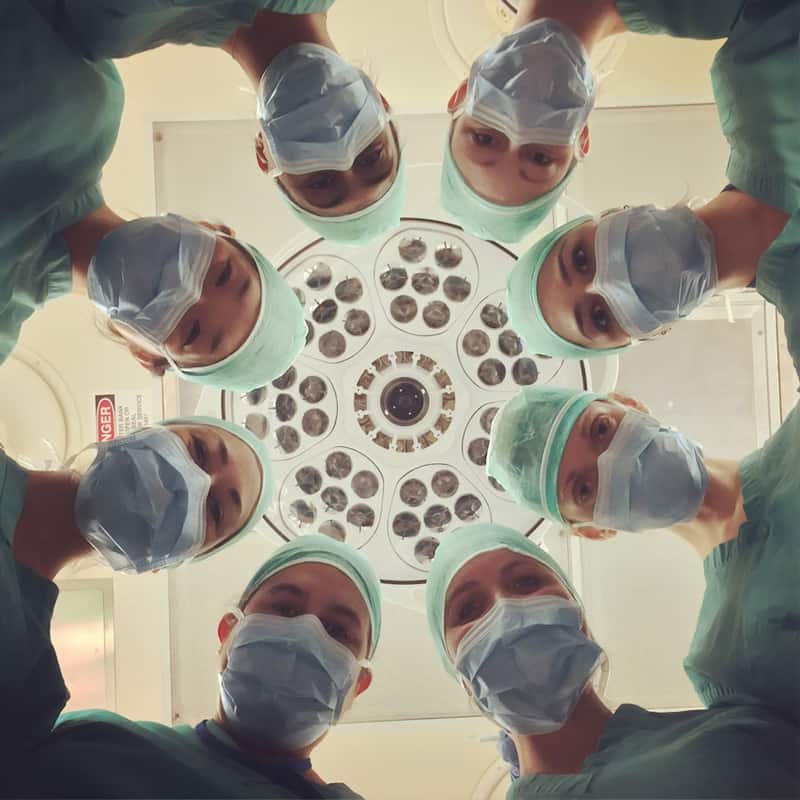

Unlike the Indian medical education system where students enter a 5.5-year MBBS program immediately following Class 12 board exams, medical education in the United States is strictly a graduate-level program. In the US, you cannot enter medical school (Doctor of Medicine - MD, or Doctor of Osteopathic Medicine - DO) directly after high school. Instead, the standard pathway requires completing a 4-year undergraduate Bachelor's degree (Pre-Med track), taking the Medical College Admission Test (MCAT), and then completing 4 years of medical school.
For Indian students completing Class 12 (CBSE, ISC, IB, or Cambridge A-Levels), this structure can feel intimidating, yet it provides an unparalleled clinical and research foundation. Understanding where and how to begin right after high school is the single most critical factor in securing admission to competitive US medical institutions.
1. Two Main Routes to Study Medicine in the USA After Class 12
Indian students have two distinct strategic pathways to enter US medical education straight from high school:
| Parameter | Traditional 4+4 Pre-Med Pathway | Combined BS/MD Programs (Direct Entry) |
|---|---|---|
| Structure | 4-Year Bachelor's Degree + 4-Year Medical School (8 Years total) | Combined 7 or 8-Year accelerated degree directly linking BS and MD |
| Admissions Point | Apply to US colleges at Class 12; Apply to Medical School in Junior/Senior Year | Apply directly during Class 12 high school senior year |
| MCAT Requirement | Mandatory (Target 515–522+ for international applicants) | Often waived or requires a basic minimum threshold (e.g., 505–510) |
| Acceptance Rate | Competitive (17–20% for international applicants at MD schools) | Extremely selective (<2–3% overall acceptance rate) |
| International Eligibility | Accepted at ~48 US MD schools and ~15 DO schools | Very limited (Programs like Penn State/Jefferson, Case Western PPSP) |
Fast-Track Your College & Career Strategy
Get immediate, personalized AI insights tailored to your grade, strengths, and dream universities — 100% free with instant reports.
Know Your Personality Type for Free
Take our 18-question AI psychometric test to uncover your cognitive archetype, hidden learning superpowers, and ideal university courses.
Personalized Career & University EduPath
Build a step-by-step Grade 8–12 admissions blueprint with AI-matched target universities, exam schedules, and extracurricular profiles.
2. Required Pre-Med Undergraduate Coursework (Prerequisites)
Regardless of your undergraduate major, the Association of American Medical Colleges (AAMC) requires all pre-med students to complete standard prerequisite courses with laboratory components before applying to medical school:
- General Biology: 2 Semesters (1 full academic year) with lab (8 credit hours)
- General / Inorganic Chemistry: 2 Semesters with lab (8 credit hours)
- Organic Chemistry: 2 Semesters with lab (8 credit hours)
- Biochemistry: 1 Semester (3–4 credit hours, heavily tested on MCAT)
- General Physics: 2 Semesters with lab (8 credit hours - algebra or calculus based)
- College Mathematics / Statistics: 2 Semesters (Calculus I and Biostatistics)
- College English / Expository Writing: 2 Semesters (6 credit hours)
- Psychology & Sociology: 1 Semester each (High yield for MCAT Section 4)
3. Strategic High School to Pre-Med Timeline
To build a competitive foundation starting from Class 12, follow this phase-wise roadmap:
| Phase & Grade | Primary Academic Goals | Extracurricular & Clinical Milestones |
|---|---|---|
| Class 12 (High School) | Achieve 90%+ in PCB/PCMB board exams; SAT/ACT prep (1500+ SAT); Submit Common App | Volunteer at local clinics or NGOs; Shadow Indian physicians; Complete independent research project |
| Undergraduate Year 1 (Freshman) | Maintain 3.85+ BCPM GPA in General Chem & Bio; Form relationships with science professors | Join a university research lab; Begin hospital volunteering (3–4 hours/week) |
| Undergraduate Year 2 (Sophomore) | Complete Organic Chemistry & Physics; Take Biostatistics; Maintain GPA | Earn clinical certifications (EMT / CNA / Phlebotomy); Shadow US physicians (50+ hours) |
| Undergraduate Year 3 (Junior) | Complete Biochemistry; Intensive MCAT preparation (Jan–April); Sit for MCAT (April/May) | Secure first-author poster or paper; Request 4–5 Letters of Recommendation; Submit AMCAS in June |
| Undergraduate Year 4 (Senior) | Complete remaining degree requirements; Complete medical school secondary essays | Attend Medical School Interviews (MMI / Traditional); Receive offers & finalize Matriculation |
Download Free US Pre-Med After Class 12 Starter Blueprint (PDF)
Get the complete 8-year roadmap: undergraduate college selection, prerequisite course schedule, clinical hour targets, and international student medical school acceptance lists.
Frequently Asked Questions (FAQ)
Can I do pre-med at any US university?
Yes. Any accredited 4-year US university or college that offers standard pre-medical science prerequisite courses will allow you to apply to US medical schools. Top private research universities (e.g., Johns Hopkins, Duke, Northwestern) and top liberal arts colleges (e.g., Williams, Amherst) offer high medical school acceptance rates.
Do US medical schools offer scholarships for international students?
Institutional financial aid is very limited for non-US citizens at most US medical schools. However, private merit scholarships and select institutions (such as NYU Grossman, Washington University in St. Louis, and Columbia Vagelos) offer full-tuition or need-based aid to all admitted students regardless of citizenship.
Is it better to do MBBS in India first or Pre-Med in the USA?
If your goal is to practice in the USA, completing US Pre-Med and US Medical School gives you a 93%+ residency match rate as a US senior, compared to ~55-60% for non-US International Medical Graduates (IMGs) coming with an Indian MBBS. However, the direct US pathway requires higher financial investment.